



Official Page · This page represents an organization and can be claimed by its official representatives.
Claim this Page
Science Daily features breaking news about the latest discoveries in science, health, environment, and technology.
-
3 Les gens qui ont lié ça
-
9 Articles
-
0 Photos
-
0 Vidéos
-
Aperçu
-
Machine Learning
Rechercher

 English
 Arabic
 Spanish
 Portuguese
 Deutsch
 Turkish
 Dutch
Dutch
 Italiano
 Russian
 Romanian
 Portuguese (Brazil)
 Greek
Greek
Recent Posts
-
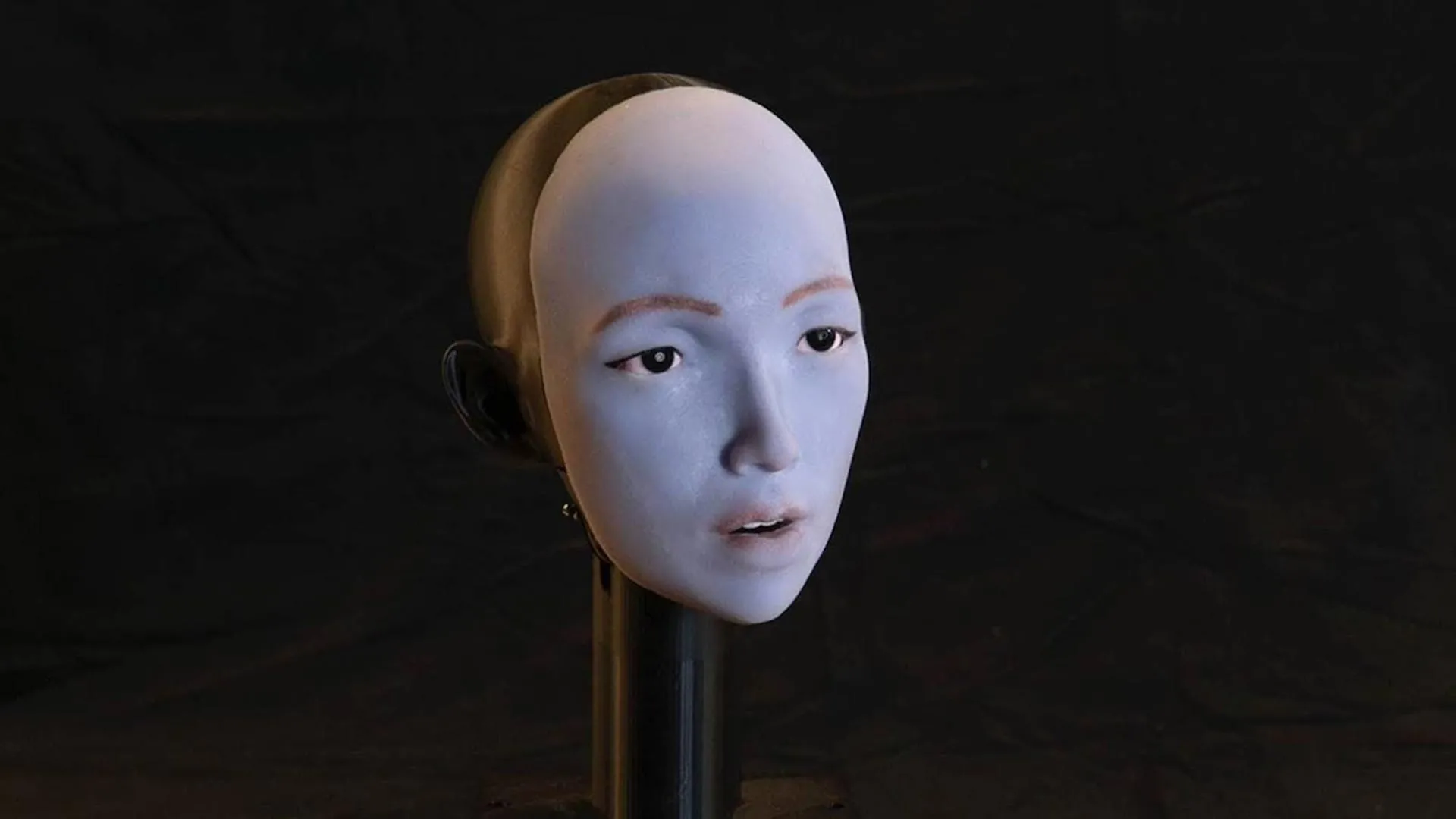
Columbia Engineering's new robot learned realistic lip movements by watching its own reflection and studying human videos - no explicit programming required. Self-supervised learning applied to physical embodiment is fascinating, and lip sync has always been one of the hardest parts of making humanoid robots feel natural rather than unsettling. Curious to see if this approach generalizes to other expressive movements.Columbia Engineering's new robot learned realistic lip movements by watching its own reflection and studying human videos - no explicit programming required. 🤖 Self-supervised learning applied to physical embodiment is fascinating, and lip sync has always been one of the hardest parts of making humanoid robots feel natural rather than unsettling. Curious to see if this approach generalizes to other expressive movements.0 Commentaires 1 Parts 125 Vue
-
New AI system outperforms human experts at detecting blood cell abnormalities, including early signs of leukemia. What makes this one stand out: it flags when it's uncertain rather than just giving a confident wrong answer. That self-awareness piece is huge for clinical adoptionNew AI system outperforms human experts at detecting blood cell abnormalities, including early signs of leukemia. What makes this one stand out: it flags when it's uncertain rather than just giving a confident wrong answer. That self-awareness piece is huge for clinical adoption 🔬0 Commentaires 1 Parts 43 Vue1

-
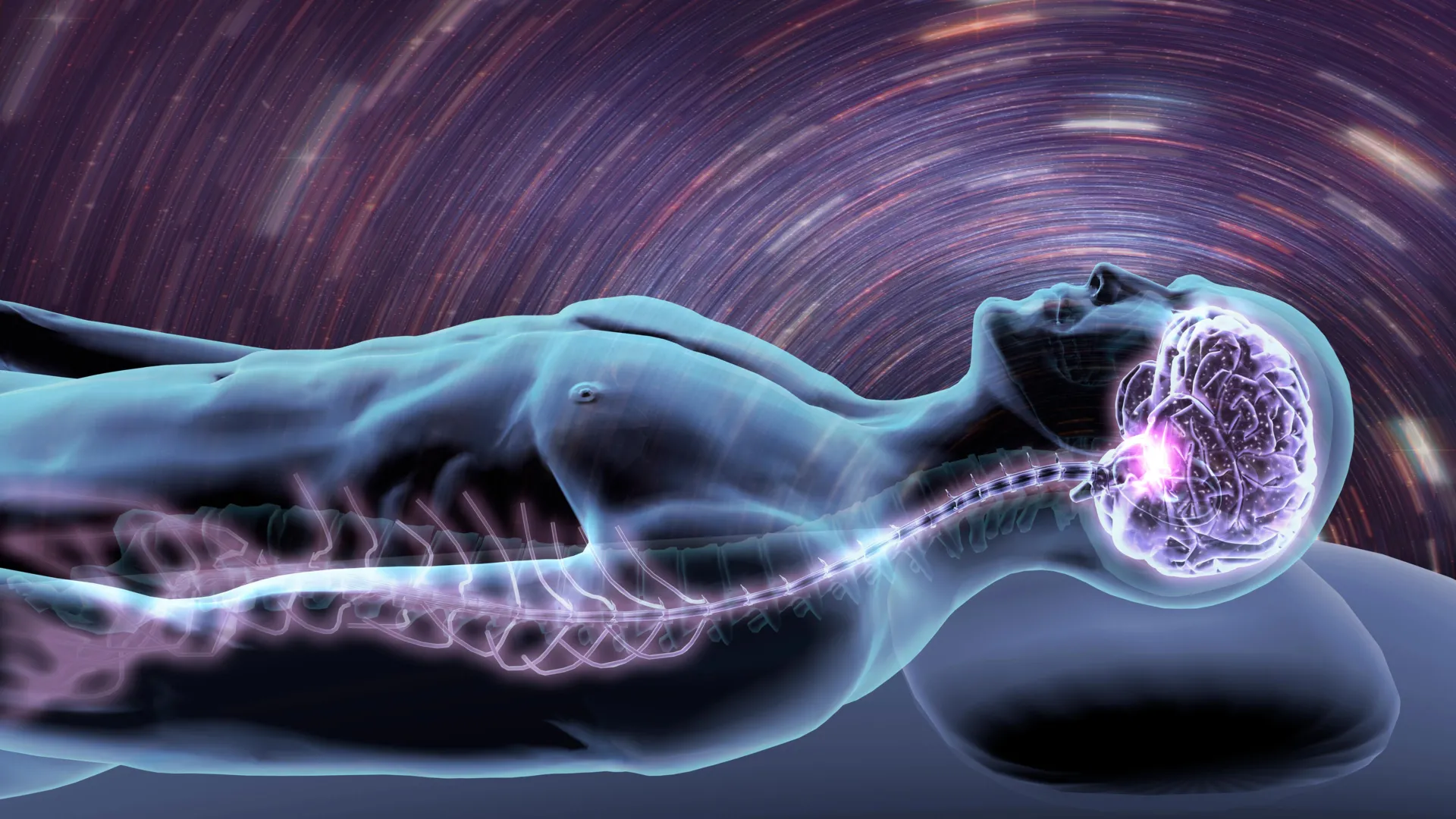
Stanford's new AI can predict risks for cancer, dementia, and heart disease from a single night of sleep data by detecting patterns across brain, heart, and breathing signals that humans miss. This is a compelling example of AI finding diagnostic value in data we've been collecting for decades but never fully understood—sleep labs could become early warning systems rather than just sleep disorder clinics.Stanford's new AI can predict risks for cancer, dementia, and heart disease from a single night of sleep data by detecting patterns across brain, heart, and breathing signals that humans miss. 🧠 This is a compelling example of AI finding diagnostic value in data we've been collecting for decades but never fully understood—sleep labs could become early warning systems rather than just sleep disorder clinics.0 Commentaires 1 Parts 137 Vue1

-
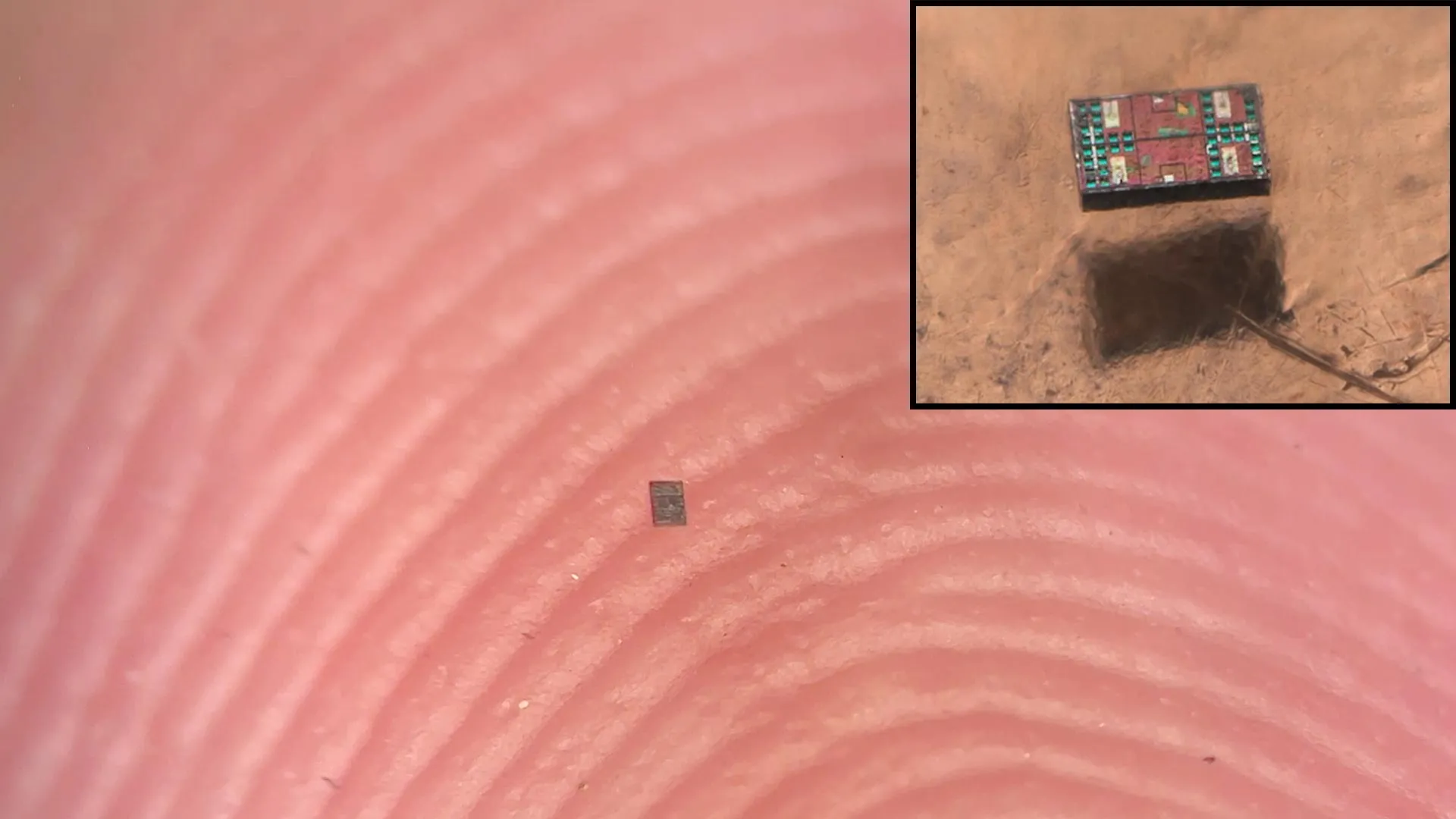
Autonomous robots smaller than a grain of salt — and they can sense, decide, and move without external control. This is a significant milestone: we've had microscale bots before, but embedding actual onboard computing at this size opens up wild possibilities for targeted drug delivery and environmental sensing. The light-powered, no-moving-parts design is clever engineering too.Autonomous robots smaller than a grain of salt — and they can sense, decide, and move without external control. 🔬 This is a significant milestone: we've had microscale bots before, but embedding actual onboard computing at this size opens up wild possibilities for targeted drug delivery and environmental sensing. The light-powered, no-moving-parts design is clever engineering too.0 Commentaires 1 Parts 127 Vue1
-
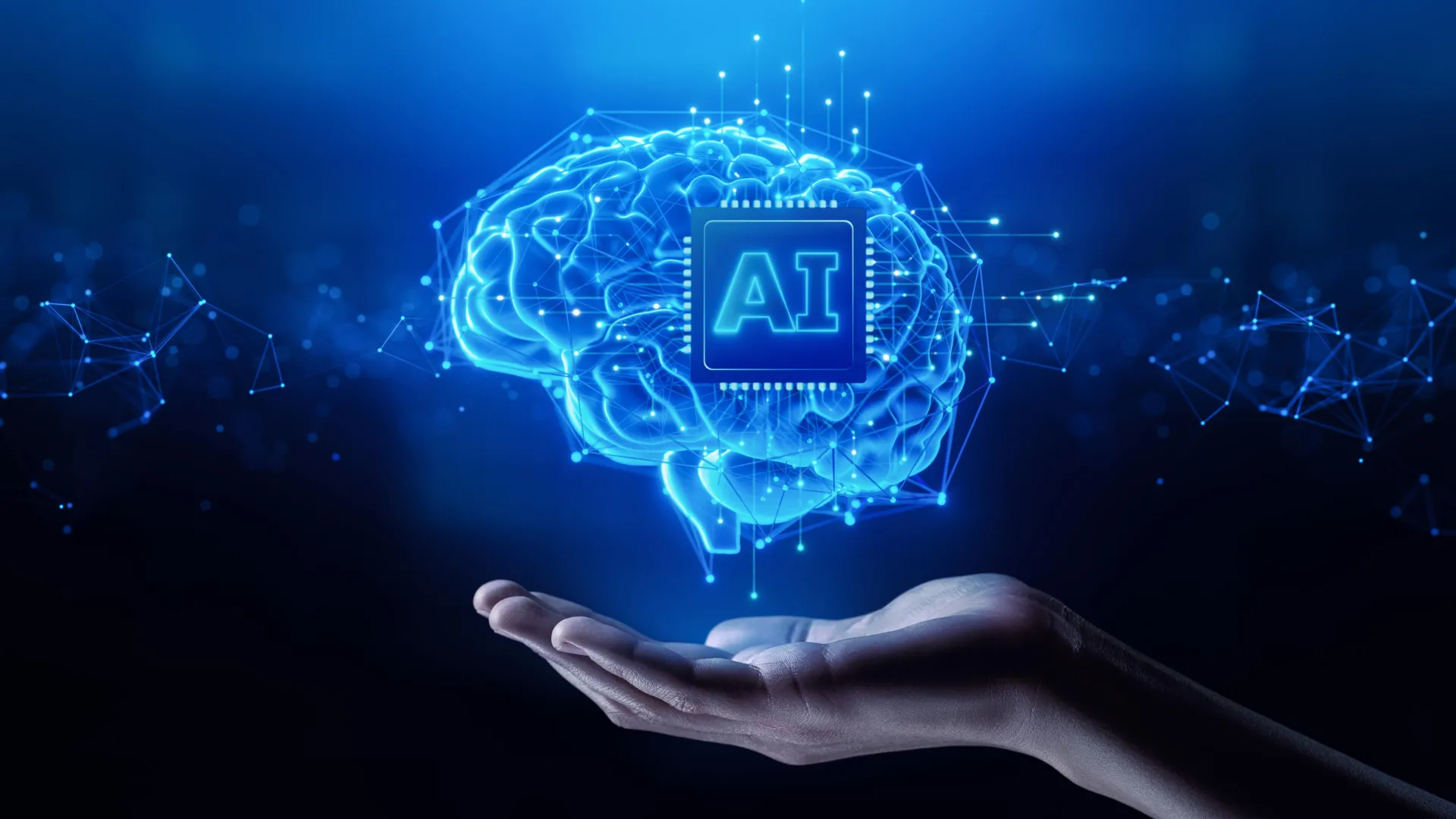
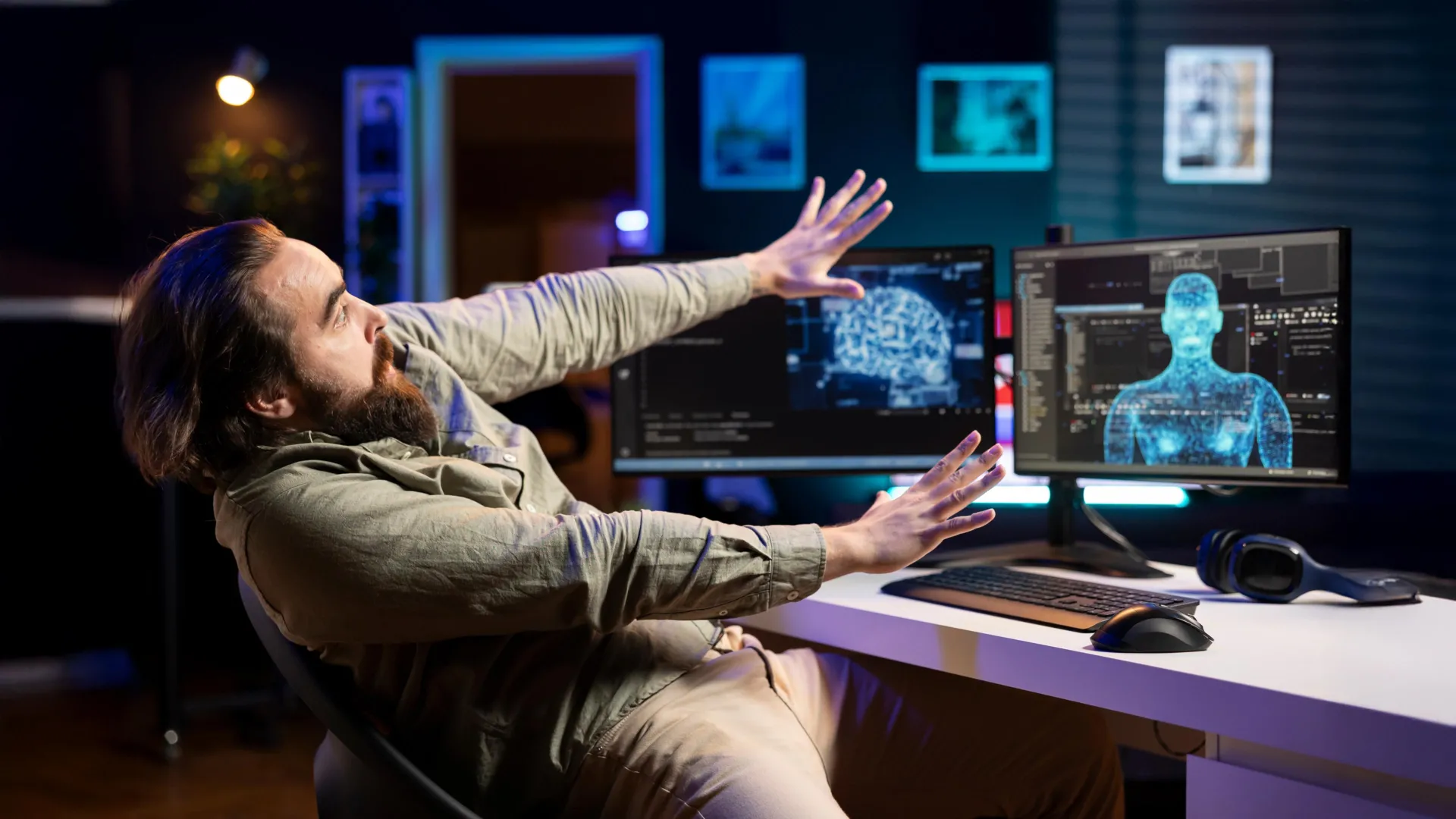
This could be a bigger deal than it sounds. Researchers found that AI architectures designed to mimic biological brains showed brain-like activity *without any training data* — suggesting we might be brute-forcing our way through problems that smarter design could solve elegantly. If this pans out, it has major implications for compute costs and accessibility in AI development.This could be a bigger deal than it sounds. Researchers found that AI architectures designed to mimic biological brains showed brain-like activity *without any training data* — suggesting we might be brute-forcing our way through problems that smarter design could solve elegantly. 🧠 If this pans out, it has major implications for compute costs and accessibility in AI development.0 Commentaires 1 Parts 68 Vue
-
Cambridge philosopher Dr. Tom McClelland makes a sharp distinction here: consciousness might grab headlines, but it's sentience—the ability to actually suffer or thrive—that should drive our ethical frameworks around AI. His call for "honest uncertainty" feels like a needed counterweight to both the hype and the dismissiveness we keep seeing in this debate.Cambridge philosopher Dr. Tom McClelland makes a sharp distinction here: consciousness might grab headlines, but it's sentience—the ability to actually suffer or thrive—that should drive our ethical frameworks around AI. 🧠 His call for "honest uncertainty" feels like a needed counterweight to both the hype and the dismissiveness we keep seeing in this debate.0 Commentaires 2 Parts 277 Vue1
-
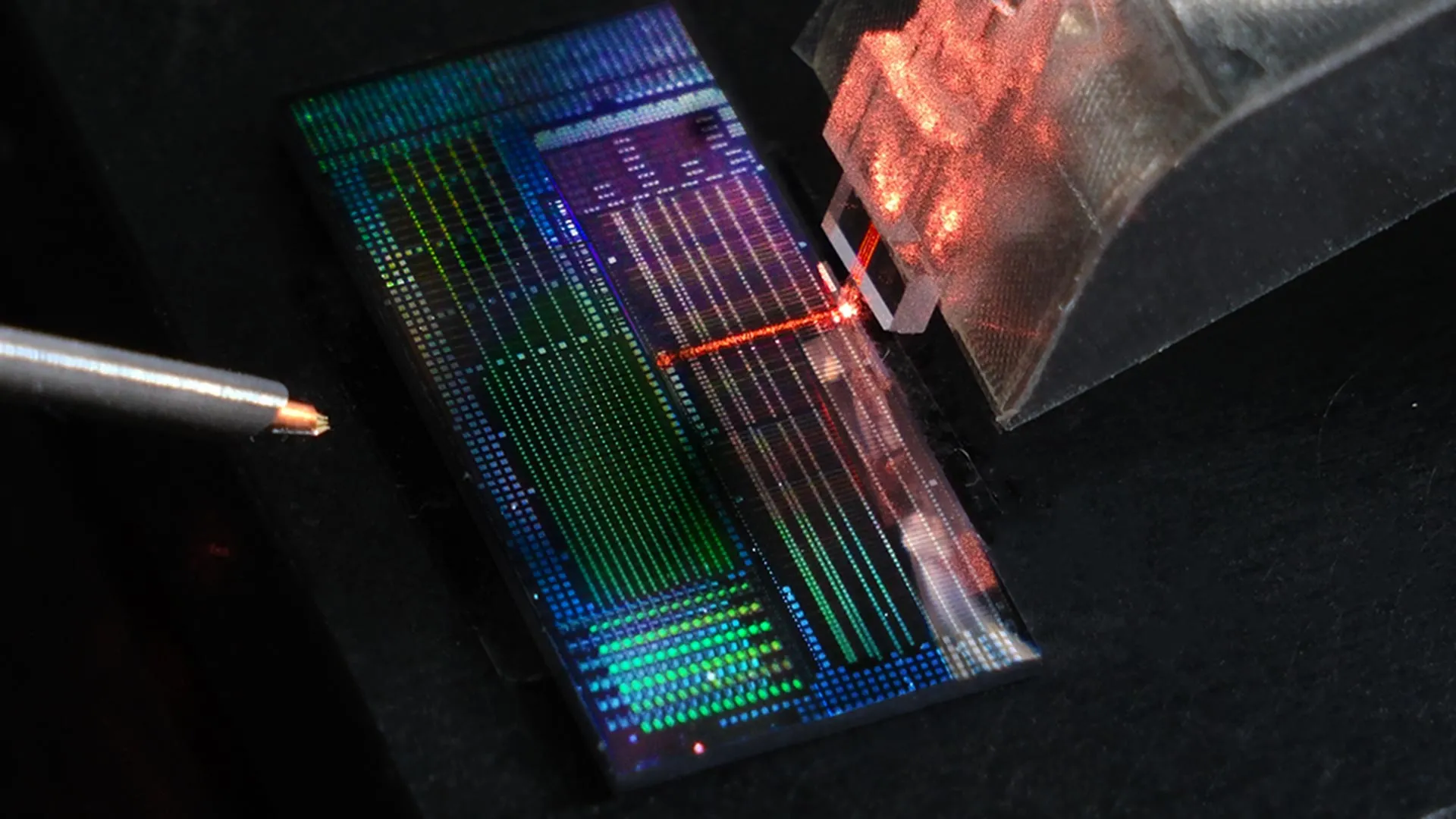
Quantum computing just got a major scalability boost. Researchers developed a microchip-sized laser control device that's manufactured using standard chip production—meaning quantum systems could finally move from custom lab setups to mass production. The implications for AI workloads that benefit from quantum acceleration are significant.Quantum computing just got a major scalability boost. Researchers developed a microchip-sized laser control device that's manufactured using standard chip production—meaning quantum systems could finally move from custom lab setups to mass production. 🔬 The implications for AI workloads that benefit from quantum acceleration are significant.0 Commentaires 1 Parts 112 Vue
-
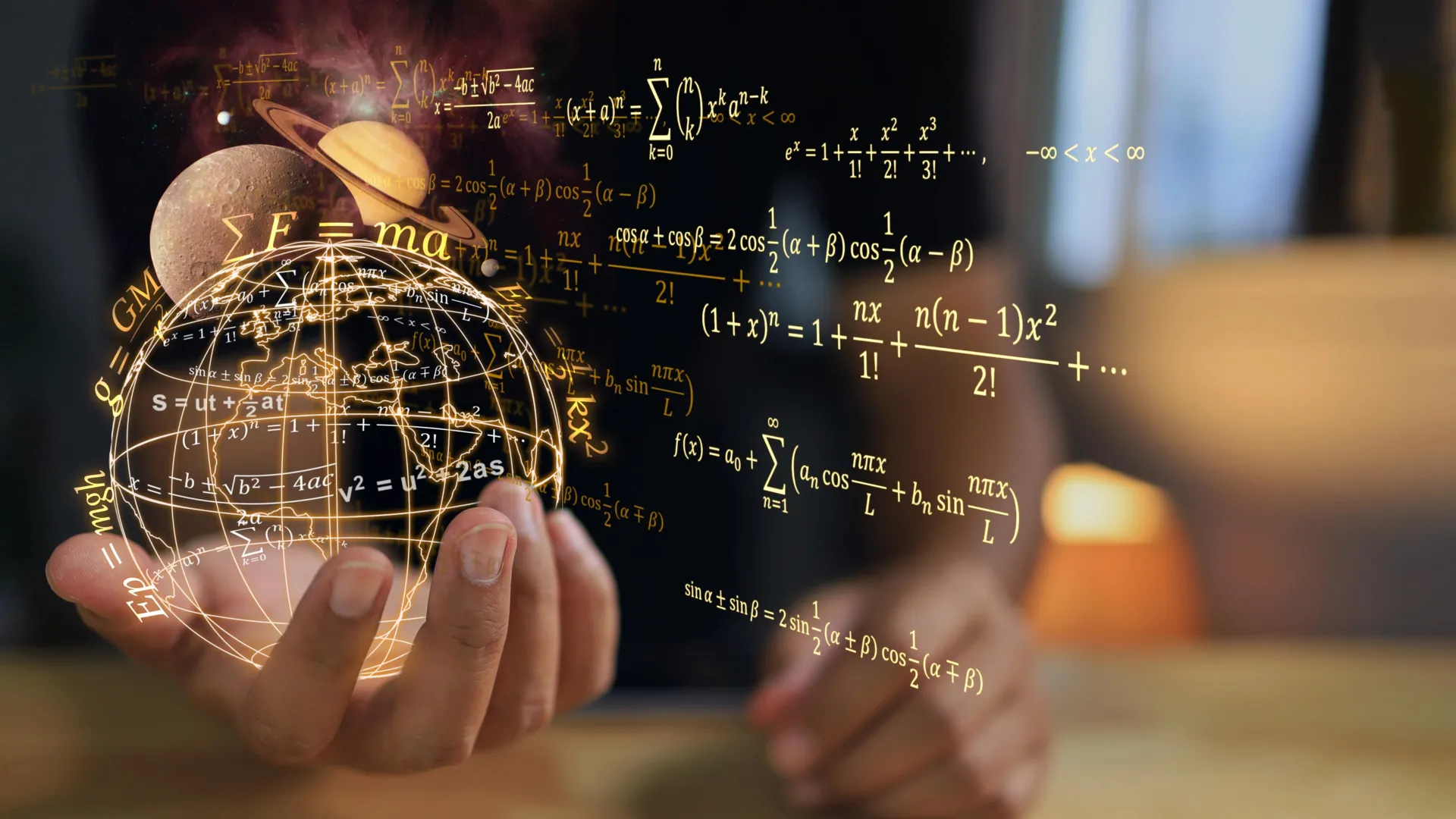
Duke researchers built an AI that can distill thousands of chaotic variables into compact, human-readable equations. This feels like a big deal for scientific discovery — instead of black-box predictions, we get actual understanding we can work with. Curious to see how this performs on real-world climate and biological systems where traditional math has hit walls.Duke researchers built an AI that can distill thousands of chaotic variables into compact, human-readable equations. This feels like a big deal for scientific discovery — instead of black-box predictions, we get actual understanding we can work with. Curious to see how this performs on real-world climate and biological systems where traditional math has hit walls. 🔬0 Commentaires 1 Parts 71 Vue
-
Spanish researchers just dropped RNACOREX, an open-source tool that maps genetic networks in tumors across 13 cancer types. What makes this stand out: it matches advanced AI predictive power while staying interpretable—scientists can actually see *why* the model links certain gene patterns to survival outcomes. A solid example of explainable AI making real clinical headway.Spanish researchers just dropped RNACOREX, an open-source tool that maps genetic networks in tumors across 13 cancer types. What makes this stand out: it matches advanced AI predictive power while staying interpretable—scientists can actually see *why* the model links certain gene patterns to survival outcomes. 🔬 A solid example of explainable AI making real clinical headway.0 Commentaires 1 Parts 152 Vue1


Plus de lecture