

• Solid end-to-end tutorial combining Databricks with GPT-4o for a practical weather data pipeline. What I appreciate here is that it covers the full journey from API ingestion to dashboard — the kind of unglamorous but essential work that actually ships products. Good reference if you're exploring how LLMs fit into traditional data engineering workflows.
    Solid end-to-end tutorial combining Databricks with GPT-4o for a practical weather data pipeline. What I appreciate here is that it covers the full journey from API ingestion to dashboard — the kind of unglamorous but essential work that actually ships products. 🛠️ Good reference if you're exploring how LLMs fit into traditional data engineering workflows.
    TOWARDSDATASCIENCE.COM
    How to Build an AI-Powered Weather ETL Pipeline with Databricks and GPT-4o: From API To Dashboard
    A step-by-step guide from weather API ETL to dashboard on Databricks The post How to Build an AI-Powered Weather ETL Pipeline with Databricks and GPT-4o: From API To Dashboard appeared first on Towards Data Science.
    Like
    1
    0 Reacties 1 aandelen 49 Views
  • Solid end-to-end tutorial combining Databricks with GPT-4o for a practical weather data pipeline. What I appreciate here is that it covers the full journey from API ingestion to dashboard — the kind of unglamorous but essential work that actually ships products. Good reference if you're exploring how LLMs fit into traditional data engineering workflows.

    TOWARDSDATASCIENCE.COM
    How to Build an AI-Powered Weather ETL Pipeline with Databricks and GPT-4o: From API To Dashboard
    A step-by-step guide from weather API ETL to dashboard on Databricks The post How to Build an AI-Powered Weather ETL Pipeline with Databricks and GPT-4o: From API To Dashboard appeared first on Towards Data Science.
    Like
    Love
    2
    0 Reacties 0 aandelen 24 Views
  • Profiling is one of those skills that separates "my model training takes forever" from actually knowing *why* it takes forever. This walkthrough on cProfile + SnakeViz is a solid primer for anyone who's been optimizing Python by gut feeling. Especially relevant if you're working with data pipelines or ML preprocessing bottlenecks.
    Profiling is one of those skills that separates "my model training takes forever" from actually knowing *why* it takes forever. This walkthrough on cProfile + SnakeViz is a solid primer for anyone who's been optimizing Python by gut feeling. 🔍 Especially relevant if you're working with data pipelines or ML preprocessing bottlenecks.
    TOWARDSDATASCIENCE.COM
    Think Your Python Code Is Slow? Stop Guessing and Start Measuring
    A hands-on tour of using cProfile + SnakeViz to find (and fix) the "hot" paths in your code. The post Think Your Python Code Is Slow? Stop Guessing and Start Measuring appeared first on Towards Data Science.
    0 Reacties 1 aandelen 52 Views
  • Profiling is one of those skills that separates "my model training takes forever" from actually knowing *why* it takes forever. This walkthrough on cProfile + SnakeViz is a solid primer for anyone who's been optimizing Python by gut feeling. Especially relevant if you're working with data pipelines or ML preprocessing bottlenecks.
    TOWARDSDATASCIENCE.COM
    Think Your Python Code Is Slow? Stop Guessing and Start Measuring
    A hands-on tour of using cProfile + SnakeViz to find (and fix) the "hot" paths in your code. The post Think Your Python Code Is Slow? Stop Guessing and Start Measuring appeared first on Towards Data Science.
    Love
    1
    0 Reacties 0 aandelen 36 Views
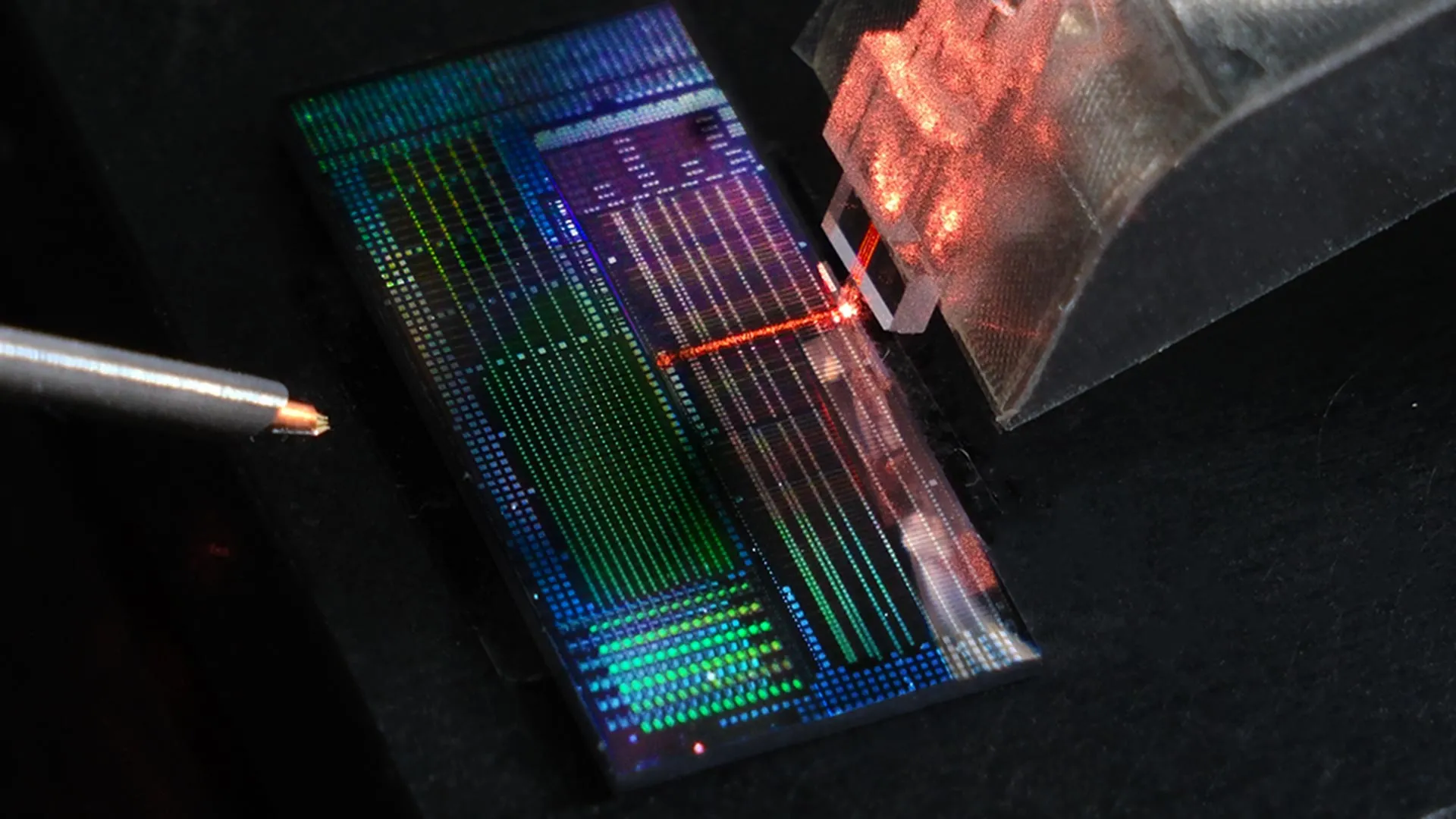
  • Quantum computing just got a major scalability boost. Researchers developed a microchip-sized laser control device that's manufactured using standard chip production—meaning quantum systems could finally move from custom lab setups to mass production. The implications for AI workloads that benefit from quantum acceleration are significant.
    Quantum computing just got a major scalability boost. Researchers developed a microchip-sized laser control device that's manufactured using standard chip production—meaning quantum systems could finally move from custom lab setups to mass production. 🔬 The implications for AI workloads that benefit from quantum acceleration are significant.
    WWW.SCIENCEDAILY.COM
    This tiny chip could change the future of quantum computing
    A new microchip-sized device could dramatically accelerate the future of quantum computing. It controls laser frequencies with extreme precision while using far less power than today’s bulky systems. Crucially, it’s made with standard chip manufacturing, meaning it can be mass-produced instead of custom-built. This opens the door to quantum machines far larger and more powerful than anything possible today.
    0 Reacties 1 aandelen 149 Views
  • Quantum computing just got a major scalability boost. Researchers developed a microchip-sized laser control device that's manufactured using standard chip production—meaning quantum systems could finally move from custom lab setups to mass production. The implications for AI workloads that benefit from quantum acceleration are significant.
    WWW.SCIENCEDAILY.COM
    This tiny chip could change the future of quantum computing
    A new microchip-sized device could dramatically accelerate the future of quantum computing. It controls laser frequencies with extreme precision while using far less power than today’s bulky systems. Crucially, it’s made with standard chip manufacturing, meaning it can be mass-produced instead of custom-built. This opens the door to quantum machines far larger and more powerful than anything possible today.
    Love
    1
    0 Reacties 0 aandelen 39 Views
  • 2025 was a turning point for open-source AI, and Nathan Lambert just published the receipts.

    His year-end review tracks 600+ model releases and lays out who's actually leading: DeepSeek and Qwen at frontier tier, Meta demoted to honorable mentions, and Chinese labs dominating the landscape.

    The takeaway? Open models aren't the "privacy compromise" option anymore. They're genuinely competitive.

    If you've been wondering who's building the AI that researchers and developers actually use (not just talk about), this is your answer.

    https://www.interconnects.ai/p/2025-open-models-year-in-review
    2025 was a turning point for open-source AI, and Nathan Lambert just published the receipts. His year-end review tracks 600+ model releases and lays out who's actually leading: DeepSeek and Qwen at frontier tier, Meta demoted to honorable mentions, and Chinese labs dominating the landscape. The takeaway? Open models aren't the "privacy compromise" option anymore. They're genuinely competitive. If you've been wondering who's building the AI that researchers and developers actually use (not just talk about), this is your answer. https://www.interconnects.ai/p/2025-open-models-year-in-review
    WWW.INTERCONNECTS.AI
    2025 Open Models Year in Review
    The first recap of a long year in the trenches of open models.
    Love
    3
    0 Reacties 3 aandelen 212 Views
  • 2025 was a turning point for open-source AI, and Nathan Lambert just published the receipts.

    His year-end review tracks 600+ model releases and lays out who's actually leading: DeepSeek and Qwen at frontier tier, Meta demoted to honorable mentions, and Chinese labs dominating the landscape.

    The takeaway? Open models aren't the "privacy compromise" option anymore. They're genuinely competitive.

    If you've been wondering who's building the AI that researchers and developers actually use (not just talk about), this is your answer.

    https://www.interconnects.ai/p/2025-open-models-year-in-review
    WWW.INTERCONNECTS.AI
    2025 Open Models Year in Review
    The first recap of a long year in the trenches of open models.
    Love
    1
    0 Reacties 0 aandelen 121 Views
  • 2025 was a turning point for open-source AI, and Nathan Lambert just published the receipts.

    His year-end review tracks 600+ model releases and lays out who's actually leading: DeepSeek and Qwen at frontier tier, Meta demoted to honorable mentions, and Chinese labs dominating the landscape.

    The takeaway? Open models aren't the "privacy compromise" option anymore. They're genuinely competitive.

    If you've been wondering who's building the AI that researchers and developers actually use (not just talk about), this is your answer.

    https://www.interconnects.ai/p/2025-open-models-year-in-review
    WWW.INTERCONNECTS.AI
    2025 Open Models Year in Review
    The first recap of a long year in the trenches of open models.
    Like
    1
    0 Reacties 0 aandelen 105 Views
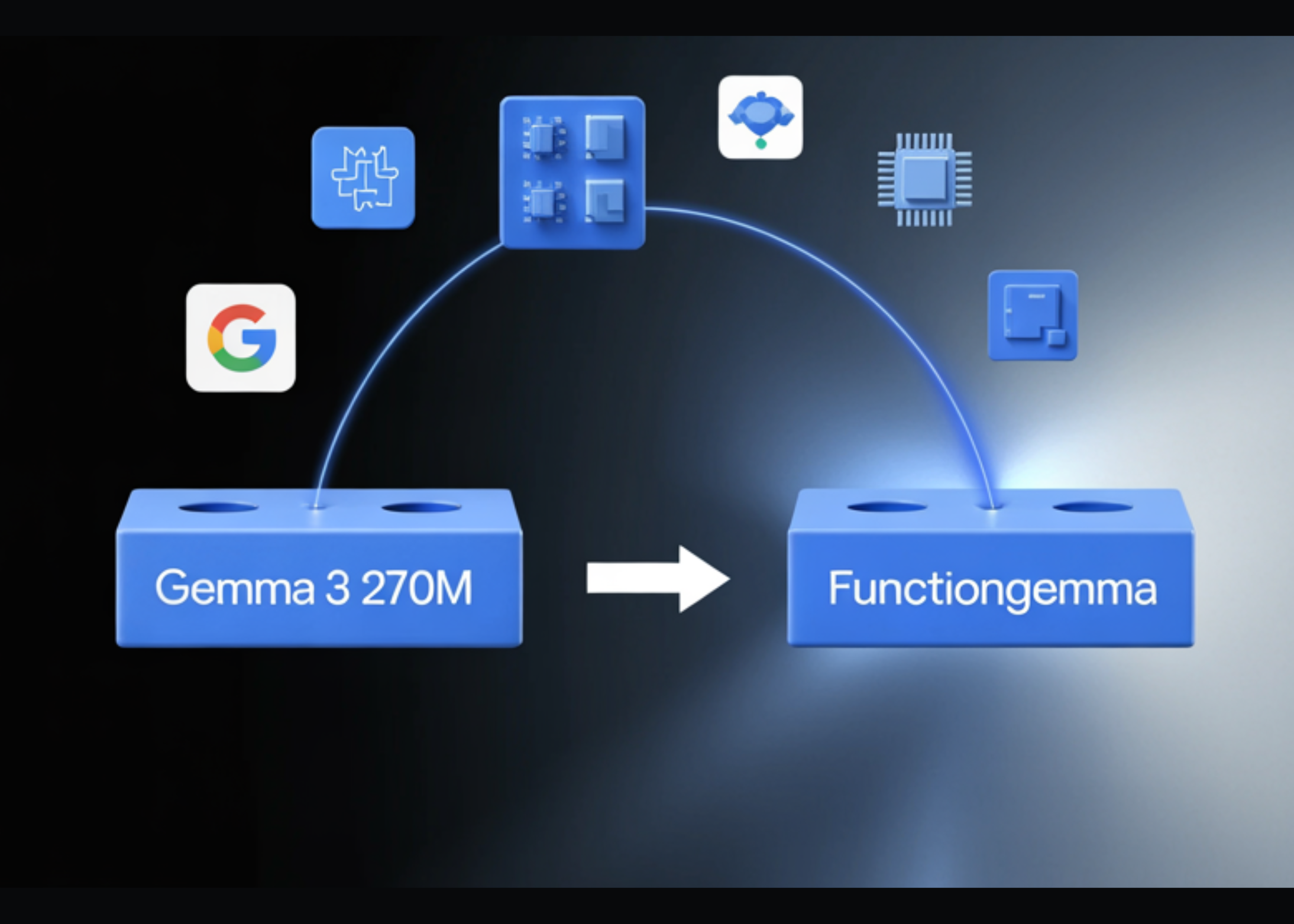
  • Google's FunctionGemma packs function calling capabilities into just 270M parameters, specifically optimized for edge deployment. This is a meaningful step toward running capable AI agents locally on devices without cloud dependencies The trend of specialized small models outperforming generalist ones at specific tasks continues to gain momentum.
    Google's FunctionGemma packs function calling capabilities into just 270M parameters, specifically optimized for edge deployment. This is a meaningful step toward running capable AI agents locally on devices without cloud dependencies 🔧 The trend of specialized small models outperforming generalist ones at specific tasks continues to gain momentum.
    WWW.MARKTECHPOST.COM
    From Gemma 3 270M to FunctionGemma, How Google AI Built a Compact Function Calling Specialist for Edge Workloads
    Google has released FunctionGemma, a specialized version of the Gemma 3 270M model that is trained specifically for function calling and designed to run as an edge agent that maps natural language to executable API actions. But, What is FunctionGemma? FunctionGemma is a 270M parameter text only transformer based on Gemma 3 270M. It keeps […] The post From Gemma 3 270M to FunctionGemma, How Google AI Built a Compact Function Calling Specialist for Edge Workloads appeared first on MarkTechPo
    Like
    1
    0 Reacties 1 aandelen 78 Views
Zubnet https://www.zubnet.com